Patient: Shelby
Age: 30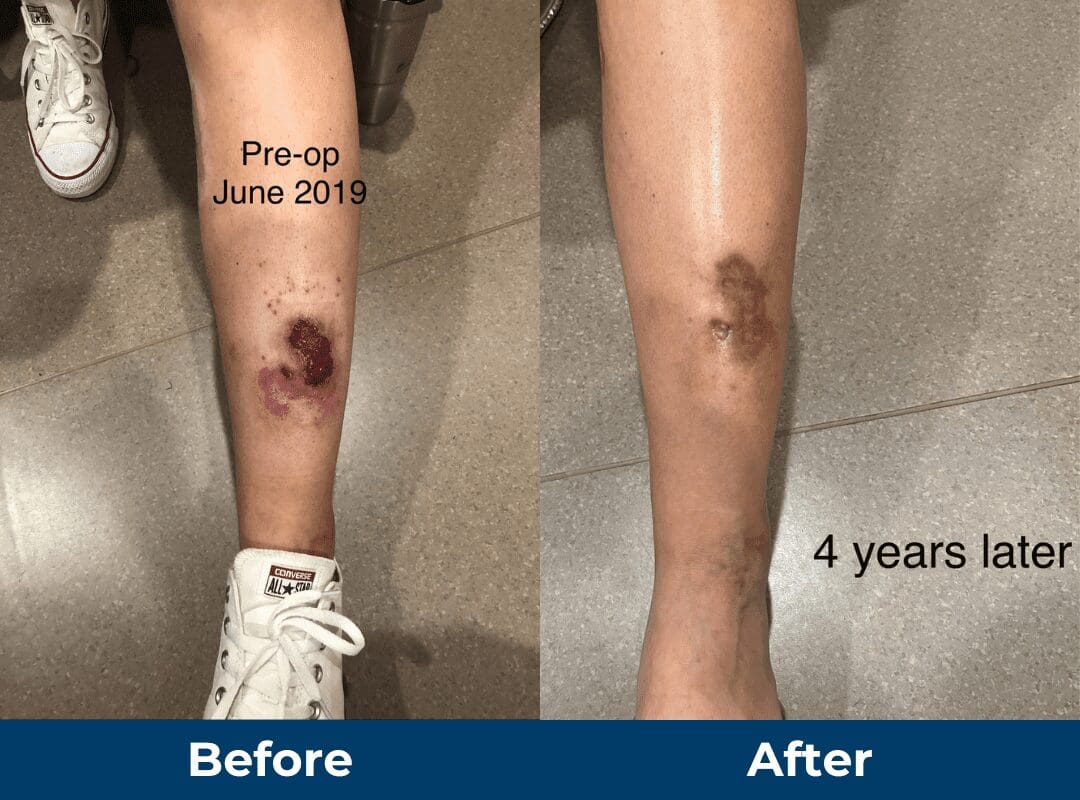
Gender: Female
Background: Venous insufficiency doesn’t discriminate when it comes to age, as demonstrated by the experience of a 30-year-old hairdresser.
Her story serves as a poignant reminder that venous insufficiency can affect people of all ages, often with life-altering consequences.
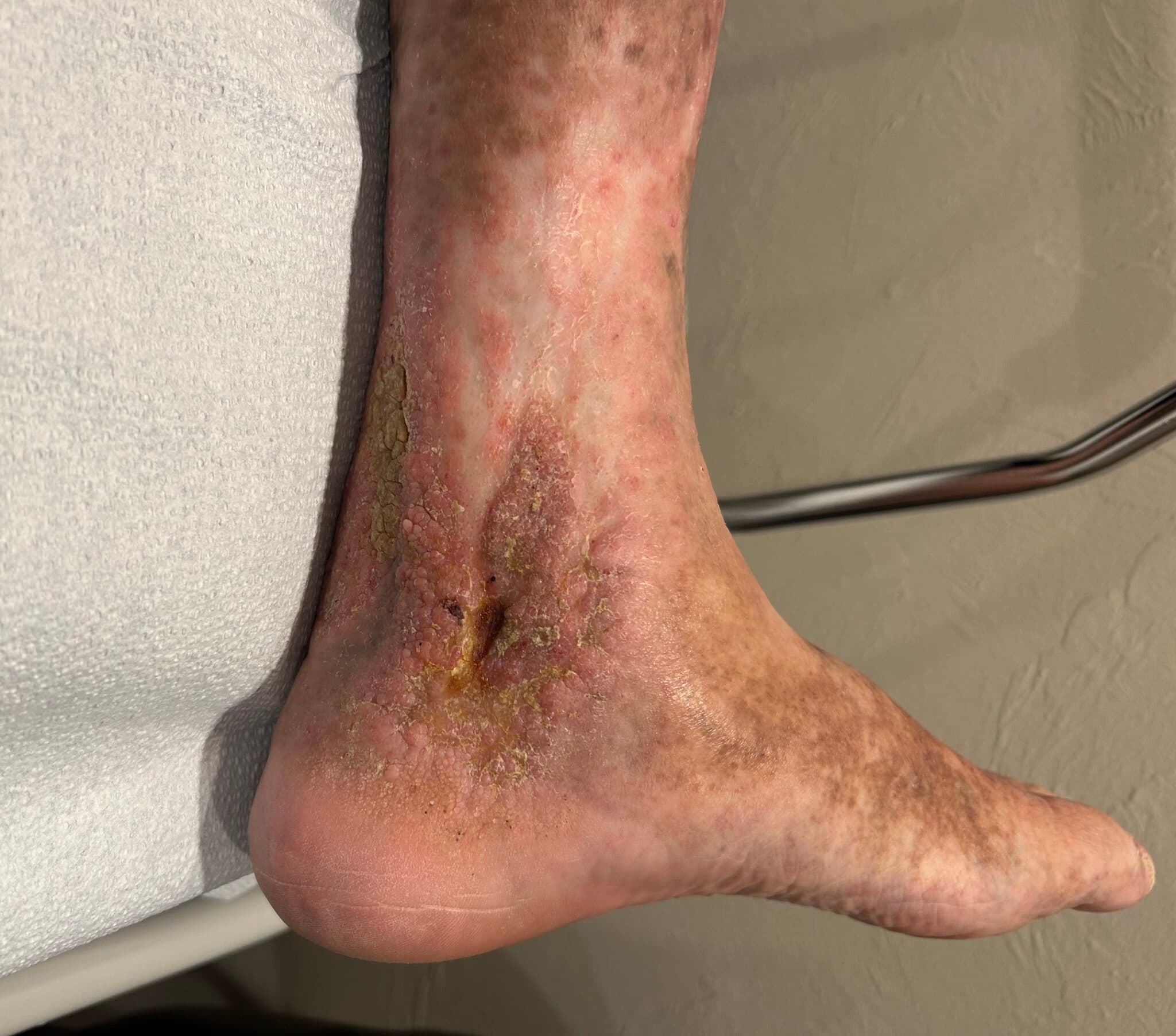
Clinical Presentation: In 2019, a young woman sought medical attention for a non-healing large pretibial venous ulcer that had become a constant presence in her life.
Frustrated and concerned, she decided it was time for a comprehensive venous insufficiency evaluation by an experienced vein doctor.
Diagnosis and Treatment: The evaluation included a meticulous duplex scan of the patient’s lower extremities. This revealed evidence of left great saphenous vein insufficiency. The saphenous is a specific vein in the leg.
Upon diagnosis, she underwent endovenous ablation with radiofrequency closure using a fast catheter, followed by diligent topical care using Silvadene (an antimicrobial drug) and compression stockings. The road to recovery had begun.
Outcome: One week after endovenous ablation treatment, the patient returned for her postoperative visit bearing good news. The ultrasound demonstrated the successful closure of the affected vein. The venous ulcer that had plagued her life was finally healing, signaling the first step toward recovery.
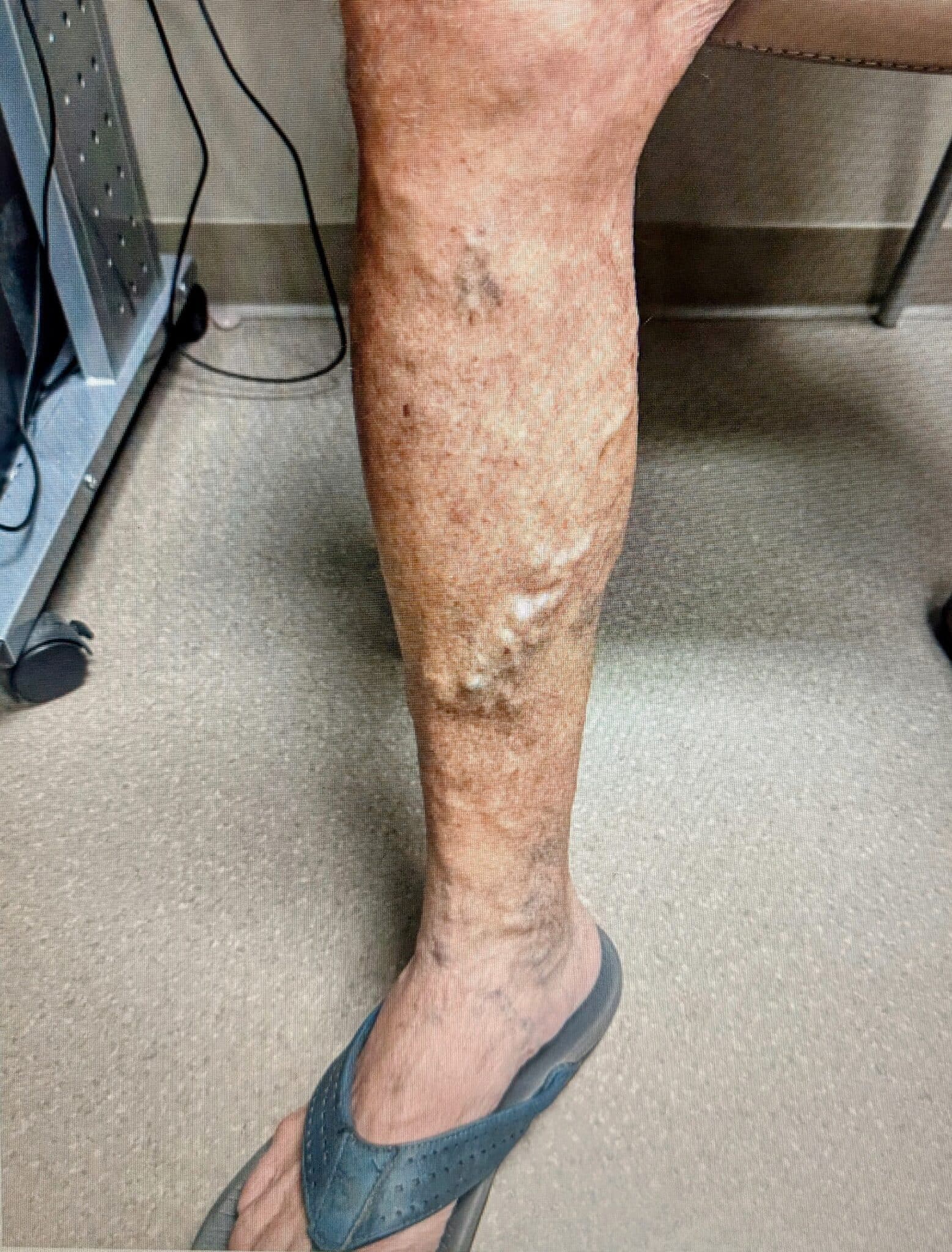
Fast forward four years and this resilient patient returned with a new concern – recurrent varicose veins in the same area. Upon evaluation, the culprit revealed itself to be the anterior accessory saphenous vein on the same side.
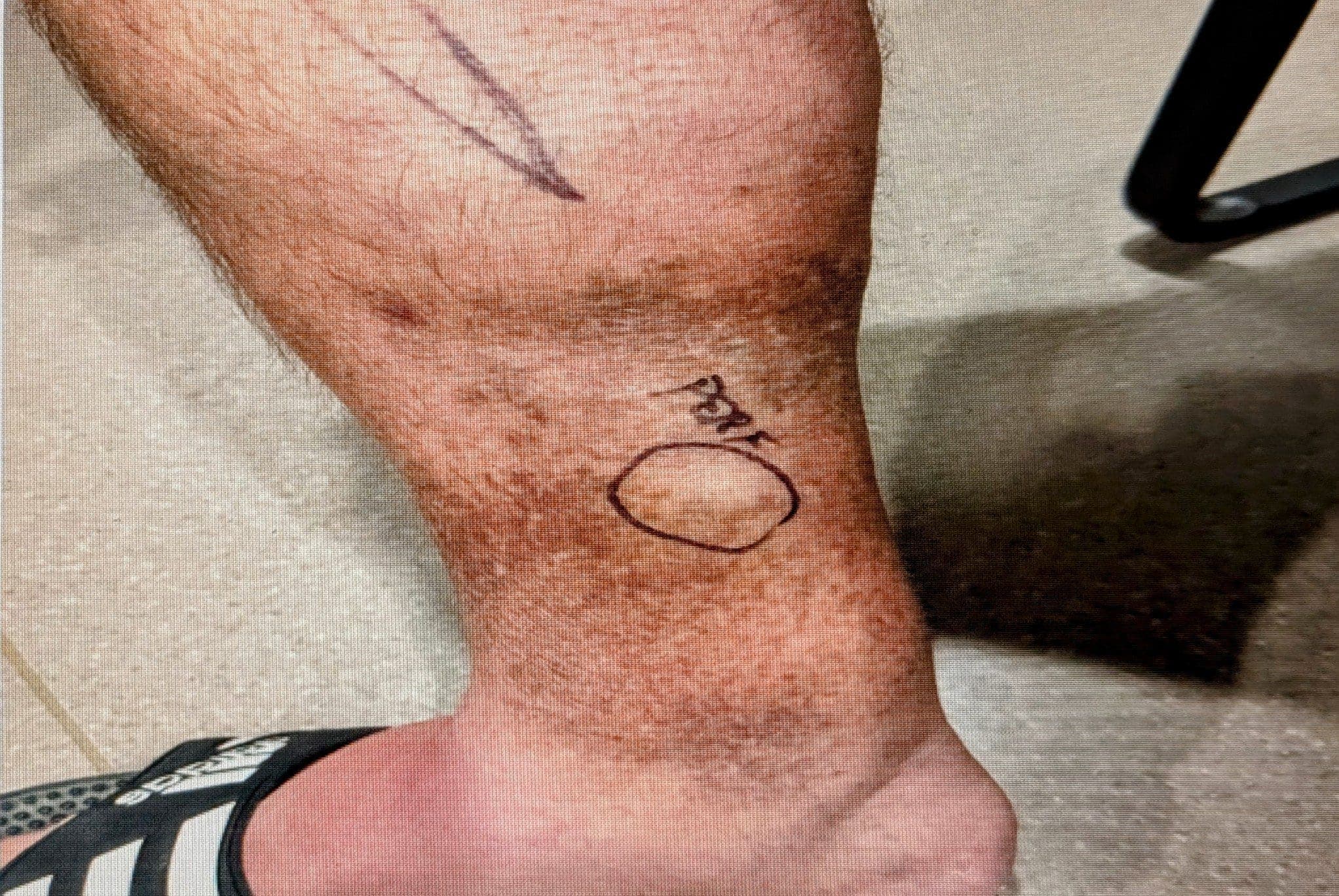
What made this follow-up remarkable was not only the recurrence of varicose veins, but also the full healing of her once non-healing venous ulcer.
Although a residual scar remained, the healing of the venous ulcer served as a testament to the patient’s determination and the effectiveness of her treatment.
Characteristics of Venous Insufficiency: Venous insufficiency can manifest in various ways, from mild spider veins (see spider vein treatment page) to leg swelling, skin pigmentation changes, inflammation and even open ulcers.
Identifying and addressing venous insufficiency in its earlier stages can help prevent severe complications.
Discussion: The patient’s experience underscores a vital point: venous insufficiency is not confined to older adults or those with visible varicose veins.
In fact, there’s an approximate 1% incidence of venous insufficiency per year of age. Therefore, at 30 years old, the chance of having venous insufficiency is around 30%.
Endovenous ablation has served as a transformative technology in the treatment of venous insufficiency since its introduction in 2000. Yet, it remains relatively unknown to the general public due to the absence of pharmaceutical marketing campaigns.
It falls upon physicians who specialize in venous evaluation and treatment to educate both their peers and the public about this highly effective vein treatment option.
In conclusion, this young hairdresser’s journey through venous insufficiency serves as a powerful reminder of the importance of early detection and appropriate treatment.
Venous insufficiency doesn’t discriminate by age. By recognizing its signs and symptoms, we can make a significant difference in patients’ lives.
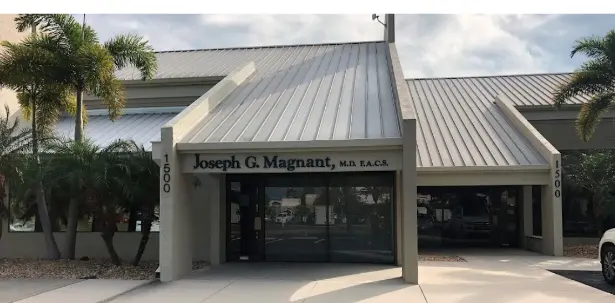
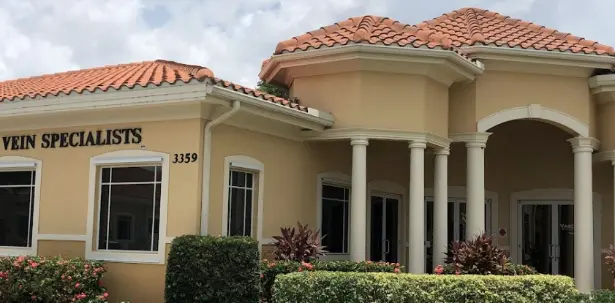
Contact The Vein Specialists for more information about endovenous ablation or to schedule a consultation with Dr. Joseph Magnant, Southwest Florida’s leading vein specialist.
Venous Disease
Signs
- Spider Veins
- Varicose Veins
- Leg Swelling
- Leg Skin Discoloration
- Leg Vein Bleeding
- Leg Ulcers
Symptoms
- Heavy Legs
- Swollen Achy Legs
- Itchy Leg Skin
- Restless Legs
- Nighttime Leg Cramps
- Neuropathy