Is your non-healing leg wound more than just skin deep? If you’ve had a non-healing leg wound for weeks to months and you’ve tried topical medication and ointments, bandages and even a visit to your family physician, it’s time to seek specialized wound care in Fort Myers.
Dr. Joseph Magnant, a board-certified vascular surgeon, and his expert team go beyond surface treatments to identify the underlying cause and develop a plan to fully heal your wound – not just manage it.
Warning signs
Could Your Leg Wound Be a Sign of Venous Disease?
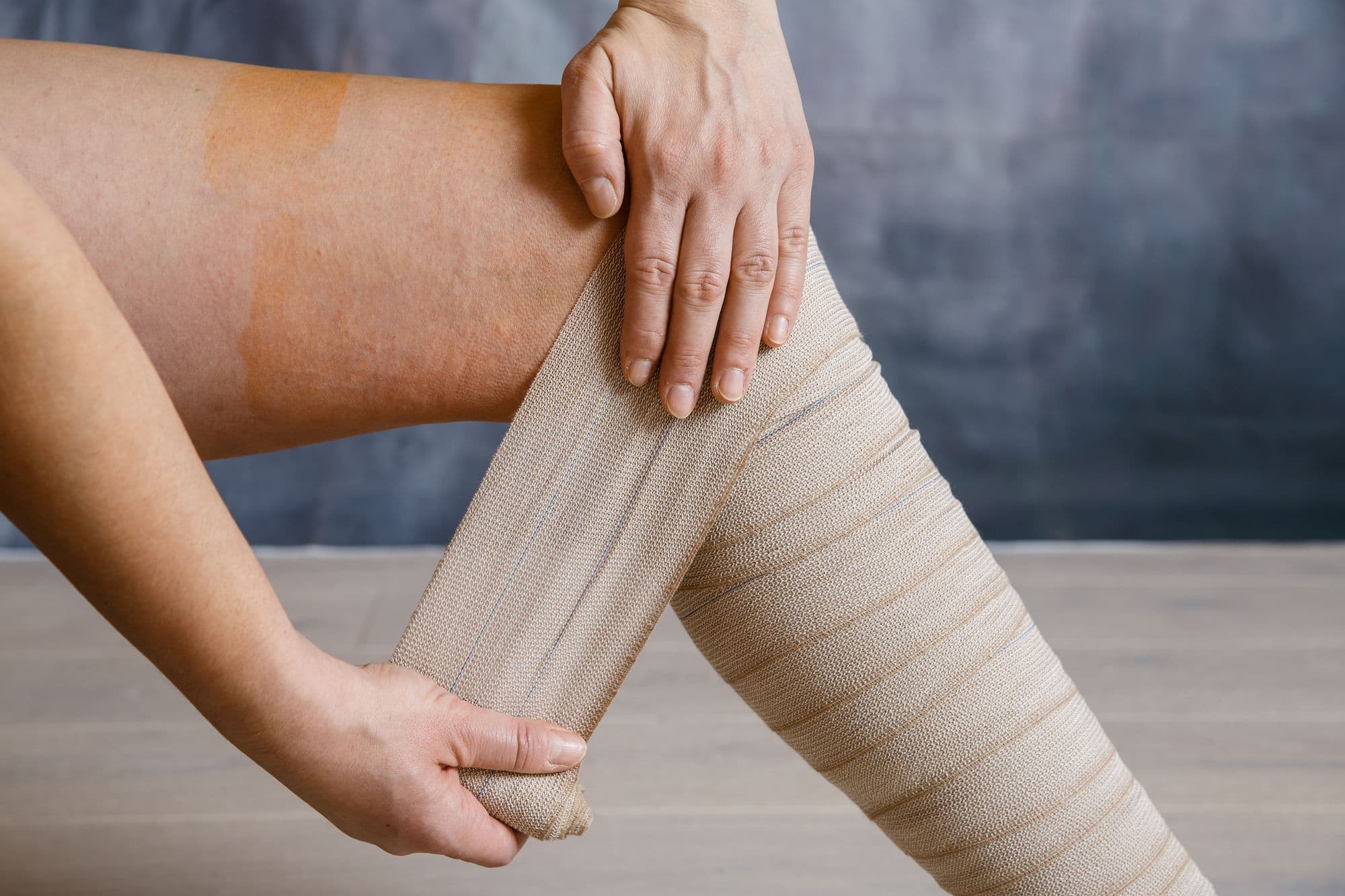
If your leg wound is accompanied by varicose veins, leg swelling and/or skin discoloration, it’s very possible you have underlying venous disease. Many people with this issue frequently tend to develop leg wounds or water blisters.
At our Fort Myers wound care clinic, we offer minimally invasive treatments designed to heal your wounds quickly and get you back to living without limitations.
Get a comprehensive vascular evaluation of your non-healing wound to determine whether you are a candidate for one of our minimally invasive vein treatments, which are nearly pain-free.
Why us
Why Choose Vein Specialists for Your Wound Care?
a board-certified vascular surgeon
30+ years
When it comes to wound care Fort Myers residents trust, experience matters. Dr. Magnant has been a board-certified vascular surgeon for the past 30+ years.
Dr. Magnant and his team have extensive experience and expertise in promoting leg wound healing and improving quality of life through expert vein evaluation and advanced minimally invasive treatments.
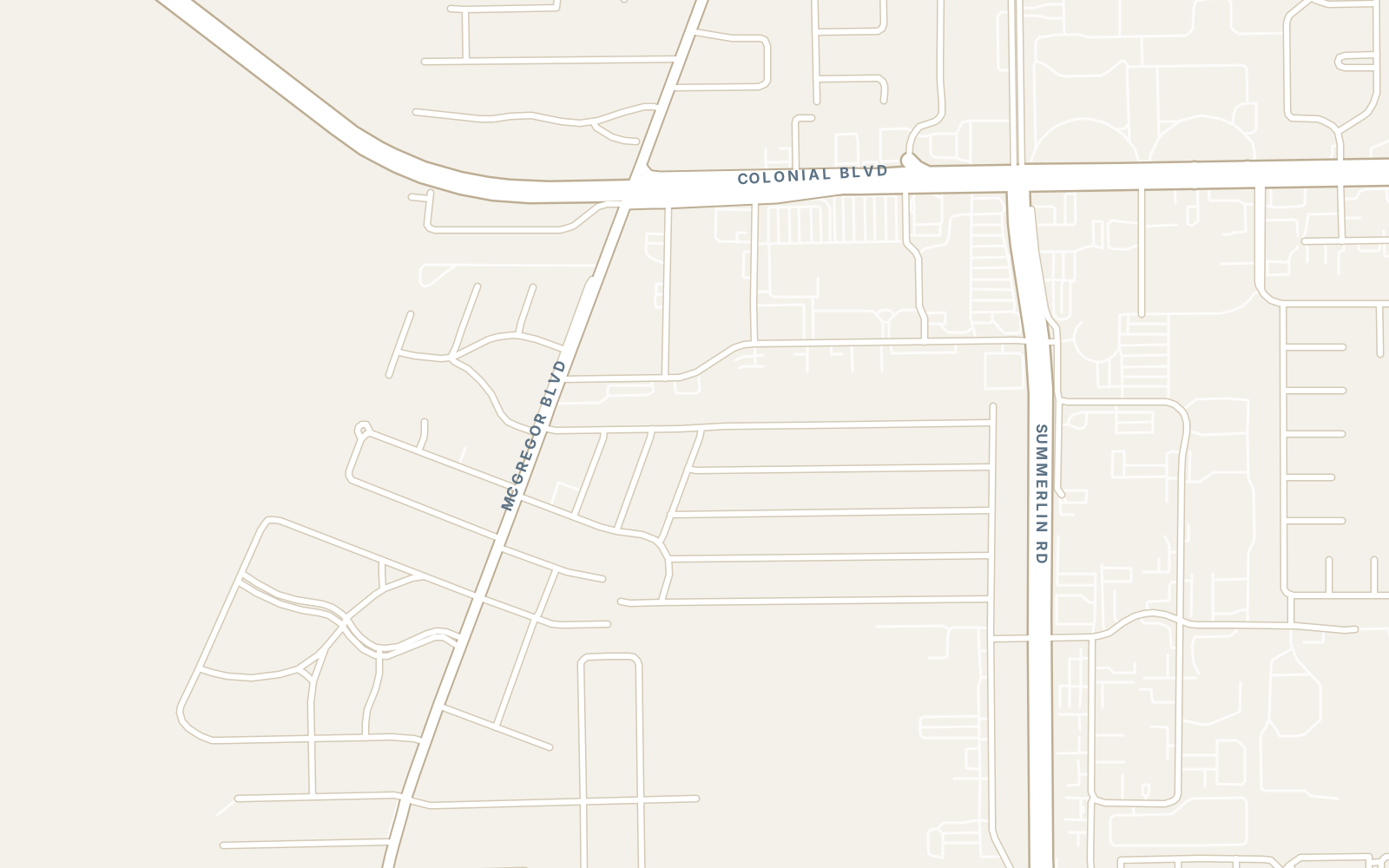
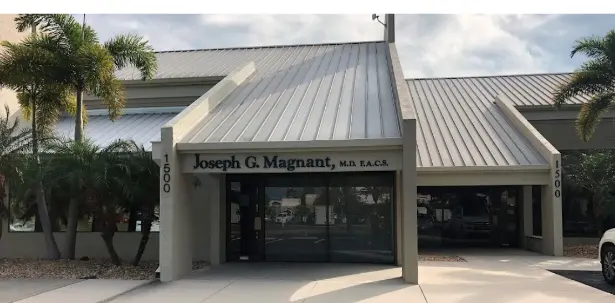
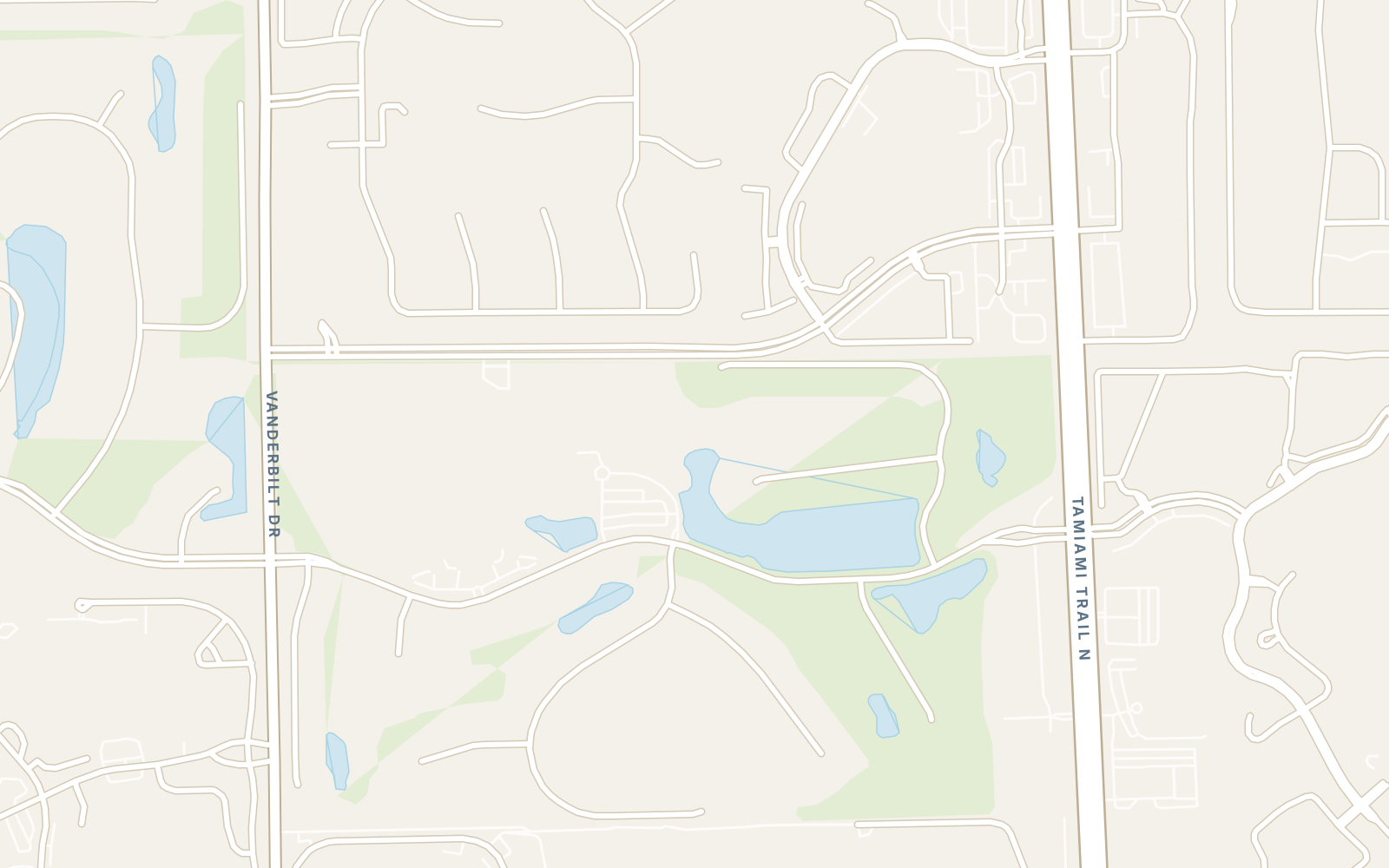
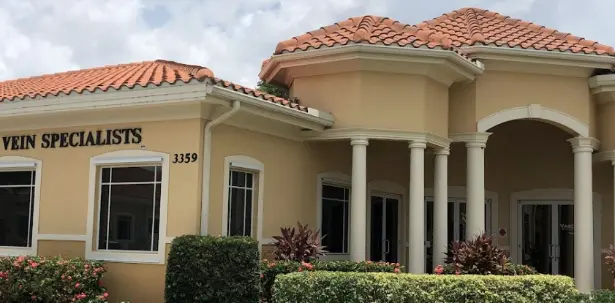
You will appreciate the convenience of receiving expert leg wound evaluation at our Vein Specialists offices in Fort Myers or Bonita Springs. Our IAC accredited vein clinics and vascular ultrasound labs provide a convenient, comfortable and compassionate setting for successful venous leg wound care evaluation and care.
Our approach
Tired of One-Size-Fits-All Wound Care?
Conventional wound care clinics often take a one-size-fits-all approach, focusing solely on cleaning and dressing your wound with various ointments and compression dressings.
At Vein Specialists, we understand that non-healing wounds can be due to a variety of hard-to-detect causes. These include venous insufficiency, arterial insufficiency or neuropathy.
That’s why our experienced providers at Vein Specialists take a comprehensive approach. This involves meticulously evaluating you to identify the root cause of your leg wound using advanced ultrasound technology.
Our goal is to expedite your recovery, alleviate your discomfort and restore your quality of life as swiftly as possible.
Treatment options
What Types of Non-Healing Wounds Do We Treat?
Post-Surgical Wounds
Venous Ulcers
Non-Healing Mohs Surgical Sites
Traumatic Injuries
Non-Healing Foot And Ankle Surgery Wounds
Causes
What’s Causing Your Chronic Wound?
Most non-healing wounds on the legs manifest as ulcers that can be broadly classified into 3 categories:
Venous Ulcers
More common than arterial ulcers, venous ulcers often affect younger, healthier individuals. They typically appear just above the ankle on the inside surface of the lower calf and are associated with a strong family history of venous insufficiency.
Many patients inquire whether bulging veins can lead to more serious complications, and the answer is yes. Varicose veins are the most recognized sign of venous insufficiency and if left untreated, venous disease can progress from varicose veins to leg swelling, skin discoloration and leg skin thickening, bleeding veins and ultimately, venous ulcers.
We offer a range of minimally invasive treatments proven highly effective in treating venous ulcers by sealing the leaking veins with Radiofrequency or LASER energy.
Arterial Ulcers
These ulcers are typically characterized by extreme pain and a pale, bloodless appearance.
If you have risk factors such as advanced age, diabetes, high cholesterol, high blood pressure, smoking or a family history of Peripheral Arterial Disease (PAD), your leg wound could be a sign of underlying arterial insufficiency.
Neuropathic Ulcers
These ulcers most commonly affect individuals with diabetes due to the repeated stress on feet with diminished sensation and altered musculoskeletal structure.
How we approach wound care
Wound care that looks beneath the surface.
Non-healing woundWeeks to months, despite ointments and bandages
Venous ulcersTypically just above the ankle, inner calf
Comprehensive vascular evaluationLooks for the root cause
Possible causesV · Venous N · Neuropathic A · Arterial
If venous (V)A minimally invasive vein treatment may be an option
Arterial (A) or neuropathic (N)Identified in the evaluation
Don’t settle for repeated wound care visits that offer little progress. Dr. Magnant and his wound care Fort Myers team at Vein Specialists will get to the root of your problem.
Picture a life free from chronic leg wounds. Our personalized wound care Fort Myers evaluation and tailored treatment plans are designed to address the root cause or the non-healing wounds for faster, more effective healing.
Schedule your leg wound and venous evaluation today at Vein Specialists. It’s time to break free from the cycle of frustration and finally heal your wounds.
Questions
Frequently asked questions
What type of doctor should I see for wound care?+–
For chronic or non-healing wounds, a vascular surgeon or a wound care specialist is ideal. They can assess underlying conditions like venous or arterial disease that may prevent proper healing.
What are the five rules of wound care?+–
Assess the Wound Thoroughly: Identify the underlying cause.
Keep It Clean: Use sterile cleaning methods to prevent infection.
Promote Moist Healing: Apply appropriate dressings to aid tissue repair.
Manage Underlying Conditions: Treat venous insufficiency, diabetes, or arterial disease if present.
Monitor Progress Closely: Regular check-ups ensure the wound is healing properly.
What is the hardest wound to heal?+–
Arterial ulcers and neuropathic ulcers are often the most difficult to heal due to poor blood flow or reduced sensation, especially in patients with diabetes or Peripheral Arterial Disease (PAD).
What is the most effective wound care?+–
The most effective wound care addresses the root cause. At Vein Specialists, we use advanced diagnostics and minimally invasive treatments to heal wounds from the inside out.
Do I need a referral to see a wound care specialist?+–
No referral is necessary to schedule an appointment at Vein Specialists. However, some insurance plans may require it – check with your provider for details.
Who pays for wound care?+–
Most major insurance providers, including Medicare, cover wound care treatments, especially when there’s a diagnosed underlying medical condition like venous insufficiency.
“… For the very first time I don’t feel alone with my condition, for the very first time I found that people CARE about getting me the best ...”
SMSabrina M
“Best vein doctor ever. I wanted an experienced doctor who specialized in vascular surgery and would work to cure the problem. Dr. Magnant checked all the boxes. I highly recommend Vein Specialists.”
ALAgnes L.
“As a retired healthcare professional, I can assure you that Dr. Magnant and his team are the most highly qualified providers in Southwest Florida to diagnose and treat your leg discomfort related to venous disease.”
SSSusan S.
Why Vein Specialists
The original IAC-accredited vein centers in Southwest Florida.
About the author
Dr. Joseph G. Magnant
Board-certified vascular surgeon
MD, FACS, RPVI
30+ years of experience
Dr. Magnant earned his medical degree and completed his general surgery residency at the Medical College of Virginia, where he served as Chief Resident and earned the IA Bigger Resident Teaching Award. He completed his vascular surgery fellowship at Dartmouth-Hitchcock Medical Center and is published in peer-reviewed journals including the Journal of Vascular Surgery. His practice is built on three ideas: ability, affability and availability, and he and his team genuinely care about your health.

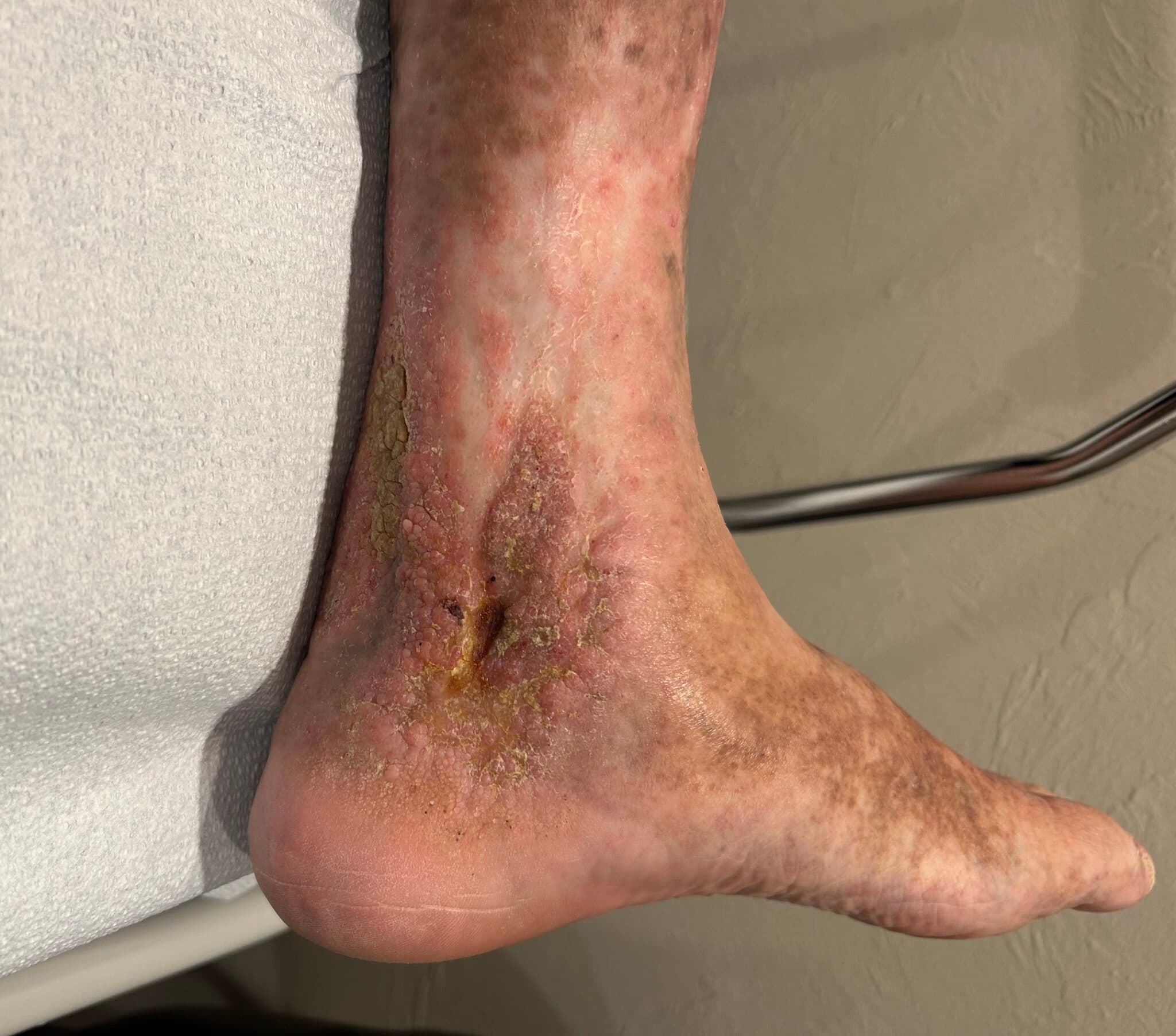 Ulcer nearly healed
 Medically reviewed by Dr. Joseph G. Magnant, MD, FACS, RPVI