Swollen Ankles: Causes, Symptoms and Treatment

Swollen ankles are more than just uncomfortable. They can be your body’s way of signaling that something isn’t quite right.

Fluid builds up in the tissues of the lower legs and feet (a condition called edema), and while it sometimes has a simple explanation, it can also point to an underlying medical issue that requires professional attention.

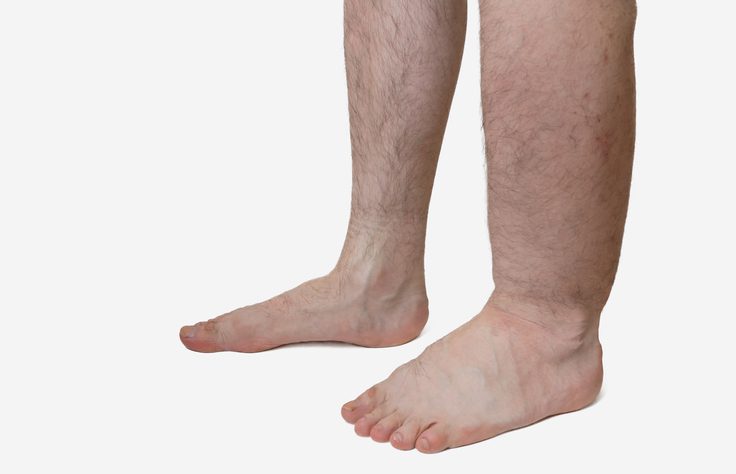
Swollen legs


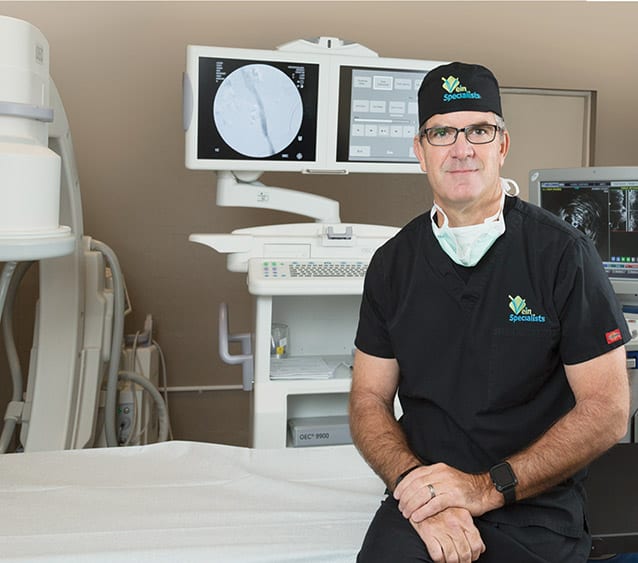
Reviewed by Dr. Joseph Magnant

  • Board-Certified Vascular Surgeon with 30+ years of experience treating vein disease.
  • Specializes in using venous ultrasound to pinpoint the exact root cause of swelling.
  • Serving patients across Fort Myers, Bonita Springs, Cape Coral and Naples, Florida
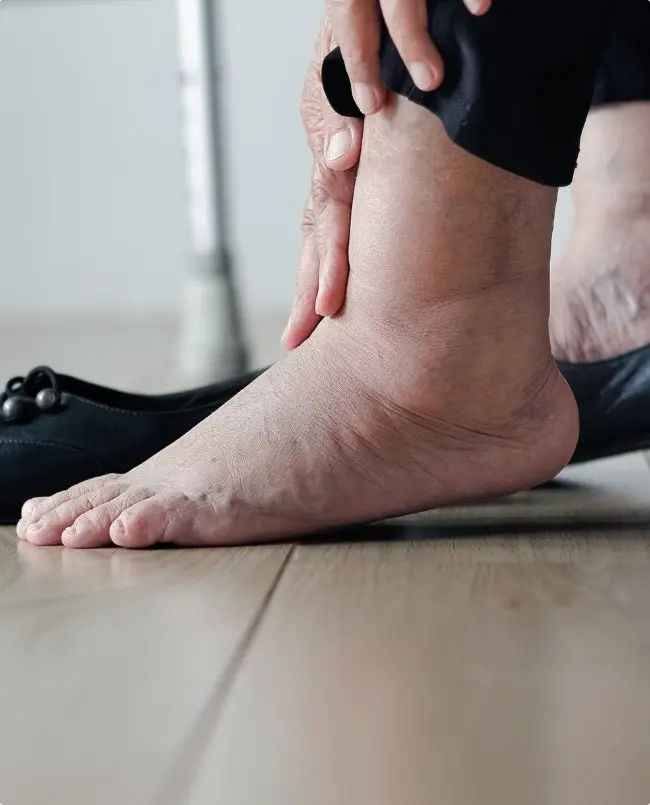
Hand holding a swollen ankle

What Swollen Ankles Mean

When ankles swell, it usually means fluid isn’t draining the way it should. When blood isn’t moving efficiently back toward your heart, it pools in the lower legs. This creates a tight, puffy feeling around the ankles and feet.

Sometimes this condition is temporary and caused by too much salt, a hot day or standing for too many hours. Other times, it’s a classic sign of venous insufficiency or another condition that deserves a closer look.

Right Ankle Swelling

Isolated right ankle swelling is always worth paying attention to. When swelling is limited strictly to your right leg, a localized issue is usually at play rather than a systemic, whole-body problem.

Common causes of right ankle swelling include a localized strain or injury, an infection or venous insufficiency (damaged vein valves) specific to that leg.

Warning Signs: If your right ankle swelling comes on suddenly, feels warm to the touch, looks red or is accompanied by pain in the calf, it could indicate a deep vein thrombosis (DVT) or blood clot. Do not wait: get it evaluated immediately.

Left Ankle Swelling

The same urgency applies to persistent left ankle swelling. Similar to the right side, swelling only in the left ankle points to a localized vascular or structural issue.

However, left-sided leg swelling can sometimes be tied to specific anatomical conditions such as May-Thurner Syndrome, where an overlying artery compresses the left iliac vein, restricting blood flow back to the heart.

Whether it stems from localized vein disease, an old injury or a deep vein blood clot, chronic swelling on just the left side warrants a professional vein evaluation.

Swollen ankle
Swollen leg

Both Ankles Swollen

Swelling in both ankles tends to have a systemic, or whole-body, cause. Common everyday factors include prolonged sitting or standing, pregnancy, obesity, a high-salt diet or certain medications.

However, bilateral swelling can also be tied to chronic conditions affecting the heart, kidneys, liver or thyroid. If basic home care isn’t making a dent, it’s time to talk to a vein specialist

Common Causes of Swollen Ankles

Swollen ankles can stem from many different sources, including:

  • Venous insufficiency (vein disease)
  • Lymphedema
  • Pulmonary hypertension or congestive heart failure
  • Chronic kidney disease or liver cirrhosis
  • Obesity or pregnancy
  • Hypothyroidism
  • Certain prescription medications (including amlodipine/blood pressure drugs

Vein disease is one of the most frequent culprits. When the tiny valves inside your veins weaken, they fail to push blood back up to the heart, causing fluid to pool in the lower legs.

This type of swelling typically worsens after long stretches of sitting or standing and rarely goes away on its own.

Vein Specialists help with painful and swollen legs

How to Reduce Swollen Ankles at Home

For mild, temporary swelling, a few lifestyle adjustments can take the edge off:

  • Elevate: Prop your legs above heart level a few times a day.
  • Compress: Wear high-quality compression stockings to support blood flow.
  • Move: Stay active and avoid sitting or standing in one place for too long.
  • Diet: Hydrate well and cut back on dietary salt.
  • Review: Ask your doctor if any of your current medications could be causing fluid retention.

Note: While these steps help manage the symptoms, they will not cure an underlying vein problem.

When to See a Vein Doctor

Some swelling can wait; some can’t. You should schedule a medical evaluation if your swelling:

  • Is progressively getting worse or isn’t improving with elevation.
  • Feels warm, looks red or is painful.
  • Is strictly limited to just one ankle (left or right).
Emergency Warning: If your ankle swelling is accompanied by shortness of breath, chest pain or dizziness, bypass the clinic and seek emergency medical care immediately.

Advanced Swollen Ankle Treatment

When vein disease is the root cause of your swelling, modern, minimally invasive treatments can offer lasting relief.

A simple, painless venous ultrasound is the first step. It allows us to map your blood flow, pinpoint exactly where the valves are failing, and customize a vein treatment plan for your specific situation.

Why Choose Vein Specialists?

At Vein Specialists, serving Fort Myers, Bonita Springs, Cape Coral and Naples, we don’t just treat the surface symptoms.

Dr. Joseph Magnant, Dr. Thad Kammerlocher and our specialized team use advanced diagnostic ultrasound to find out why your swelling is happening, providing targeted treatments so it doesn’t keep coming back.

Don’t Let Swollen Ankles Hold You Back

Chronic swelling is your body’s way of asking for help. Get evaluated by a board-certified vein specialist who can target the root cause and restore your comfort.

Frequently Asked Questions About Swollen Ankle Treatment

  • What do swollen ankles mean?

    Swollen ankles mean fluid is collecting in the tissues of your lower extremities (edema). This can be caused by localized vein issues, medication side effects, lifestyle habits or underlying conditions related to the heart, kidneys or thyroid.

  • Why is only my right ankle swollen?

    Right ankle swelling typically indicates a localized issue in that specific leg such as a strain, an infection, localized venous insufficiency or a blood clot rather than a systemic health condition.

  • Why is only my left ankle swollen?

    Like the right side, left ankle swelling is usually localized. It can be caused by vein valve failure in the left leg, an injury or specific vascular conditions like May-Thurner Syndrome, which directly impacts left-leg blood flow.

  • How do you get rid of swollen ankles?

    Temporary swelling can be managed with elevation, movement, hydration and compression. However, if the swelling is chronic, the underlying vascular issue must be treated by a specialist to get rid of it permanently.

  • How long does it take for swollen ankles to go down?

    It depends on the cause. Swelling from a long flight or a salty meal may resolve in a few hours. Swelling caused by venous insufficiency will persist or recur until the diseased veins are treated.

  • Does hot water help a swollen ankle?

    No, heat can actually dilate blood vessels and worsen fluid pooling. Cool water, elevation and movement are much more effective home remedies.

What Our Patients are Saying

"I don’t think words can express how lucky I feel that I found Dr. Magnant ... For the very first time I don’t feel alone with my condition, for the very first time I found that people CARE about getting me the best ...

– Sabrina M

"A heartfelt five-star review hardly seems sufficient to convey my gratitude and satisfaction. If you’re seeking top-notch medical expertise, a positive experience, and a team that truly cares, look no further than Dr....

– Maryann Q.

"Very caring staff, wouldn't go anywhere else."

– Greg F.

"I had two procedures done on my legs. I was nervous when I went in for the first one, but everyone took great care of me and calmed me down quickly. Dr. Magnant talked to me through the entire procedure and made me feel...

– Cathy B.

"I’ve been undergoing evaluation and treatment by Dr. Magnant for the past couple of months and I’m happy to say that after having both of my legs treated with endovenous ablation the following things are true. My le...

– Bernardo N.

"Can’t say enough good things about this office. From my very first appointment, all staff have been extremely helpful and knowledgeable."

– Jenn F.

"Dr. Magnant and his team at Vein Specialists are top notch! They go out of their way to make you comfortable … Dr. Magnant is very caring and really good at his job. If you have a vein issue, see him!"

– Melanie C.

"I’d like to write a brief review for Vein Specialist in Bonita Springs having an extensive experience in the healthcare industry and originally being from New York city I wanted to leave this recommendation for Dr. Ma...

– Neal Agovino

"Dr Magnant did a great job, he took the time to explain the procedure to me. His staff is very professional and caring. Christina was so helpful and friendly Eva was so sweet and caring! Thanks to all!"

– Joyce Zimmer

"Dr. Magnant and his entire team were a godsend to me. The entire staff was pleasant, caring and competent. I am extremely confident that I chose the best vein specialist."

– Dean S.

Schedule Your Swollen Ankle Treatment Consultation

  • This field is for validation purposes and should be left unchanged.

Insurance We Accept