Patient: Male, 76 years old
Background:
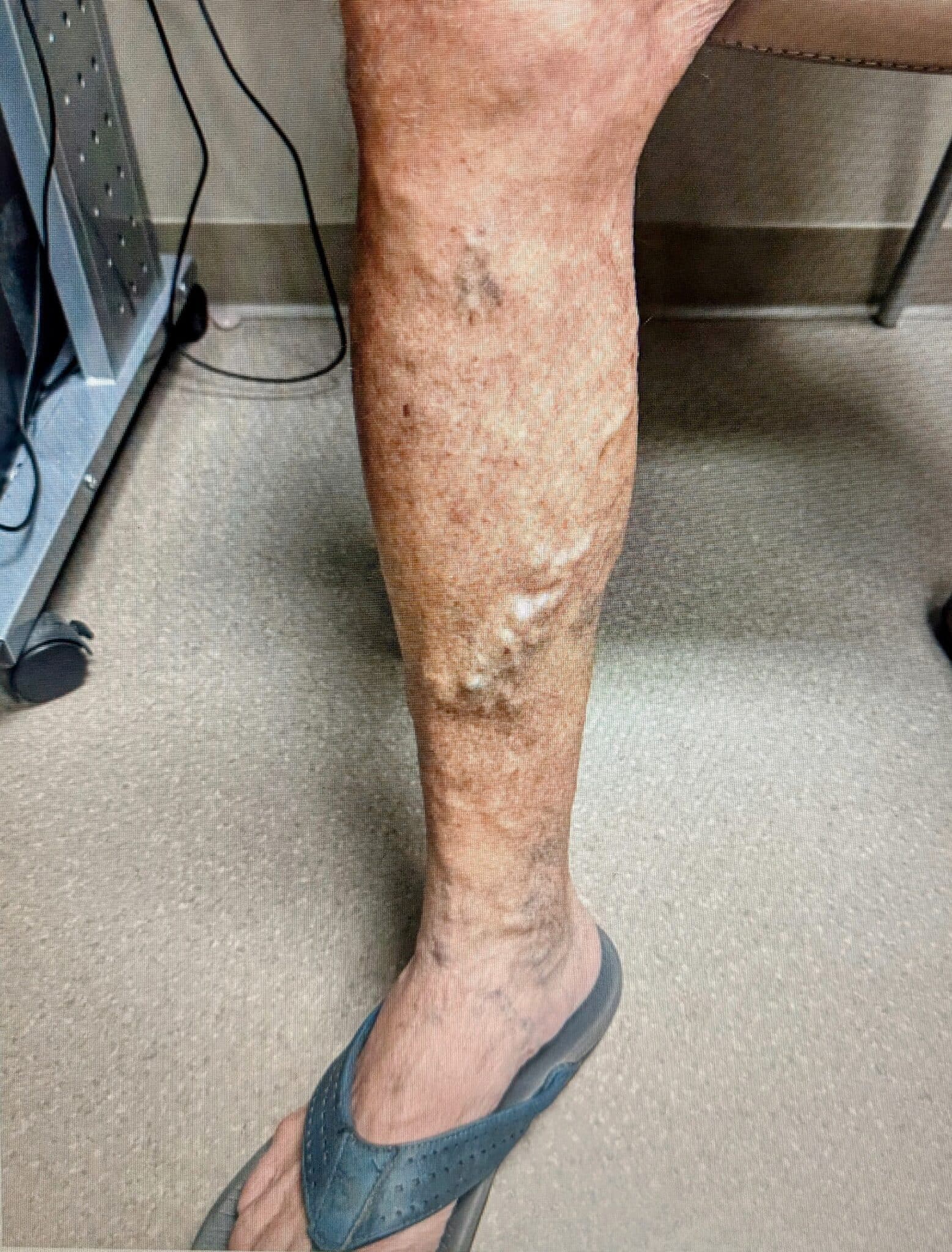
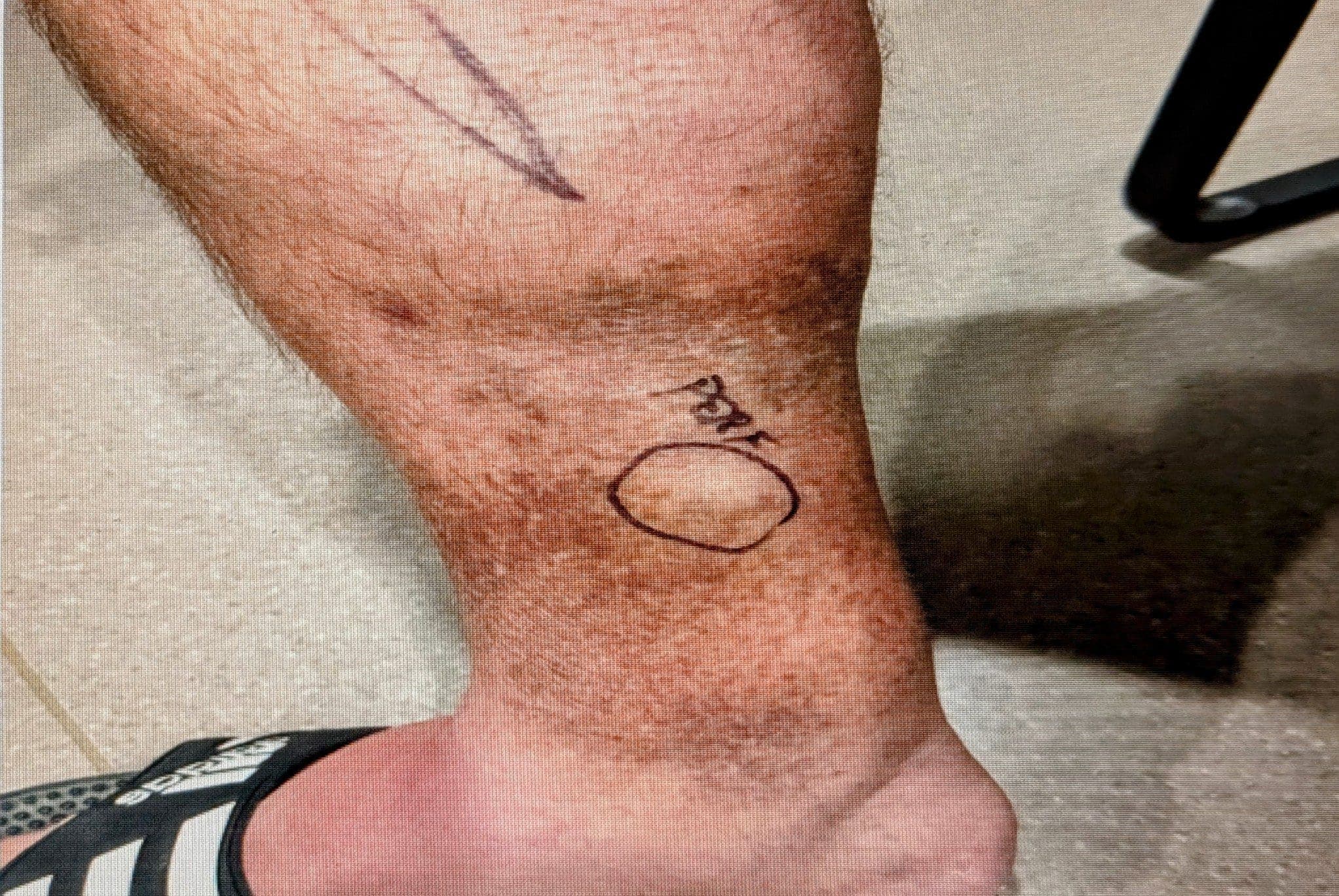
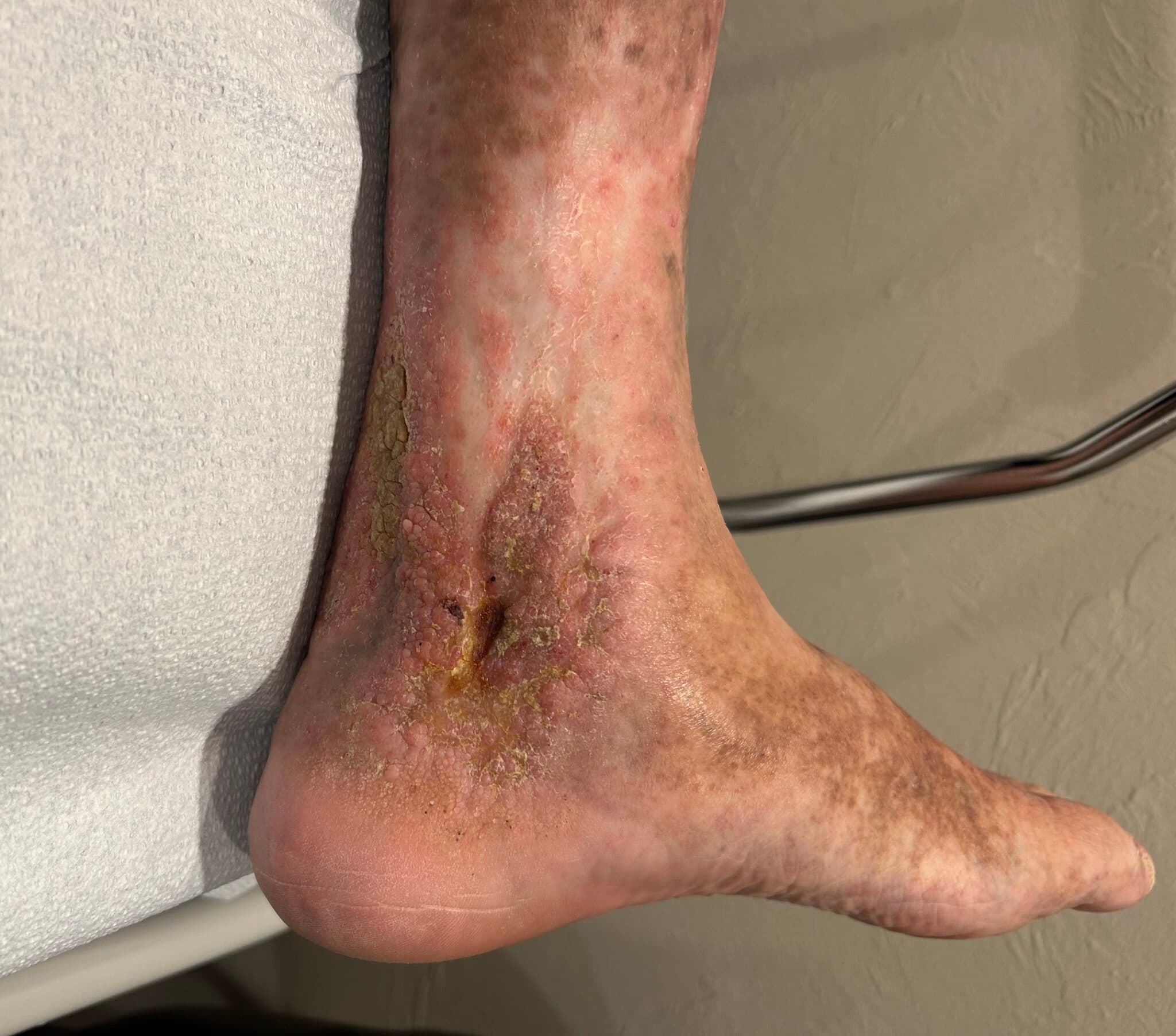
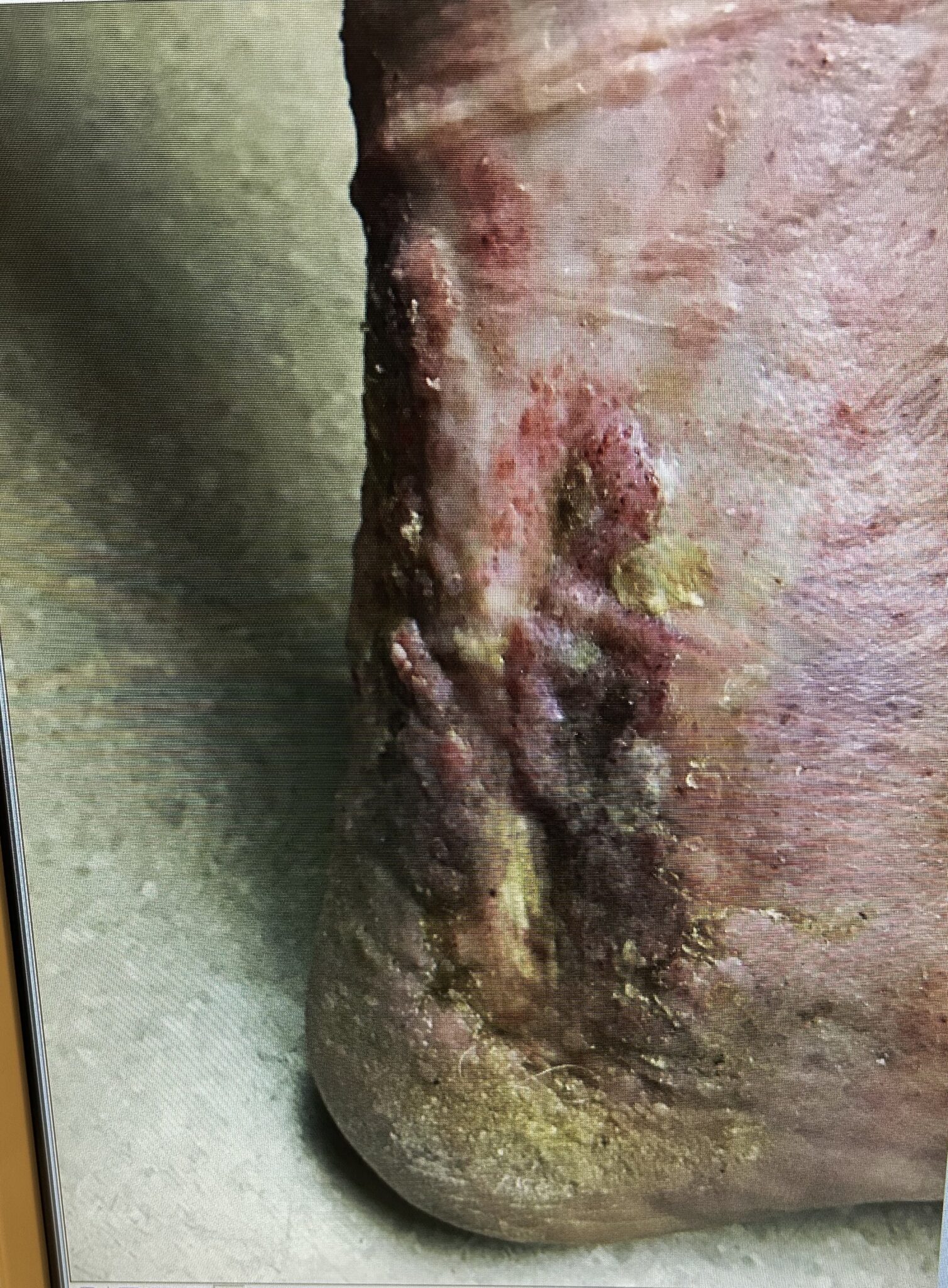
Thomas had suffered for three years from chronic venous ulcers on both legs, which would not heal despite multiple treatments, including vein ablations and Varithena therapy below the groin. His painful, persistent wounds greatly affected his quality of life.
Diagnosis and Testing:
A detailed ultrasound scan of his iliac veins revealed significant compression blocking blood flow. An intravascular ultrasound (IVUS) confirmed the diagnosis of iliac vein obstruction.
Treatment:
Thomas underwent a procedure placing a stent in the compressed iliac vein to open the blockage and restore proper blood flow.
Results (One Month After Procedure):
At follow-up, Thomas reported significant improvement with marked reduction in swelling (edema) in both legs. His chronic venous ulcer had nearly completely healed. Ultrasound confirmed that the stent was open and working well.
Plan Going Forward:
Thomas continues taking Plavix and will switch his blood thinner medication from Xarelto to Eliquis due to insurance coverage. He will return in two months for follow-up imaging and wound reassessment.
Summary:
This case demonstrates the importance of checking for vein blockages higher up in the pelvis in patients with stubborn leg ulcers that do not heal with standard treatments. Stenting the iliac vein in this patient led to near-complete ulcer healing and significant symptom relief.
Prognosis:
The patient was informed that some long-term skin discoloration may remain but the healing and symptom improvement are expected to last.
Venous Disease
Signs
- Spider Veins
- Varicose Veins
- Leg Swelling
- Leg Skin Discoloration
- Leg Vein Bleeding
- Leg Ulcers
Symptoms
- Heavy Legs
- Swollen Achy Legs
- Itchy Leg Skin
- Restless Legs
- Nighttime Leg Cramps
- Neuropathy