Venous Insufficiency and Modern Vein Treatment in Southwest Florida
Many people in Fort Myers, Bonita Springs and throughout Southwest Florida experience aching legs, swelling or fatigue by the end of the day.
These symptoms are often blamed on aging, long work hours or standing too much. However, they are frequently caused by a very common condition called venous insufficiency, also known as venous reflux disease.
Millions of Americans suffer from vein disease, and many do not realize that effective, minimally invasive treatments are available.
The basics
What Is Venous Insufficiency?
Venous insufficiency occurs when the valves inside the leg veins stop functioning properly.
Normally, these valves help blood move upward toward the heart. When they fail, blood flows backward and begins to pool in the veins of the legs. This increases pressure inside the veins and can lead to a wide range of symptoms.
Over time, untreated venous insufficiency can progress and affect circulation in the legs.
Warning signs
Symptoms of Venous Insufficiency
Many patients experience symptoms even before visible varicose veins appear. Common symptoms include:
Aching or tired legs
Leg swelling, especially around the ankles
Heaviness or fatigue in the legs
Nighttime leg cramps
Restless legs
Itching or burning skin
Skin discoloration near the ankles
Visible varicose veins or spider veins
Small bleeding veins or skin ulcers in advanced cases
These symptoms often worsen after long days of standing or sitting.
In this article
Varicose Veins and Spider Veins
Varicose veins are enlarged, twisted veins that appear under the skin, usually in the legs. They develop when increased pressure causes the vein walls to stretch and bulge.
Spider veins are smaller red, blue, or purple veins that appear closer to the surface of the skin.
While spider veins are sometimes considered cosmetic, they can also signal underlying venous insufficiency. Treating spider veins without addressing deeper vein problems may not relieve symptoms such as leg pain or swelling.
Diagnosis
How Vein Disease Is Diagnosed
The most accurate way to diagnose venous insufficiency is through a venous ultrasound examination. This noninvasive test allows specialists to evaluate blood flow inside the veins and identify:
Leaking vein valves
Venous reflux
Abnormal blood flow patterns
Ultrasound testing helps determine whether symptoms such as leg swelling, aching or heaviness are caused by vein disease. In most cases, insurance covers venous ultrasound testing when symptoms are present.
Treatment options
Modern Treatment for Venous Insufficiency
Advances in vein care have made treatment easier and more effective than ever before. One of the most common treatments is endovenous ablation, also called endovenous closure.
During this minimally invasive outpatient procedure:
1. A small catheter is inserted into the faulty vein. 2. Heat energy seals the vein closed. 3. Blood naturally reroutes through healthy veins.
The procedure typically takes less than an hour, and most patients return to normal activities the next day.
Patient stories
A Patient Experience
Amelia S., a pharmacist who spends long hours on her feet, began experiencing leg swelling and aching by the end of each workday.
“I’m on my feet up to twelve hours a day,” she explains. “By the end of the day my legs were swollen and very sore, even though I didn’t have obvious varicose veins.”
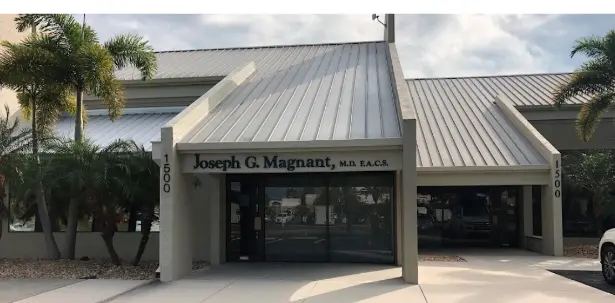
After learning about vein disease from patients she served at the pharmacy, Amelia scheduled a consultation with vascular surgeon Dr. Joseph G. Magnant. An ultrasound confirmed venous insufficiency, and Dr. Magnant performed a minimally invasive endovenous closure procedure.
“The doctor explained that the vein wasn’t working properly anyway,” Amelia recalls. “Closing it allowed blood to flow through healthier veins.” “I was back at work the next day, and my legs feel great. I no longer have pain at the end of the day.”
Warning signs
When to See a Vein Specialist
If you experience leg pain, swelling, heaviness or visible veins, a consultation with a vein specialist may help determine whether venous insufficiency is the cause.
Early evaluation can help:
Reduce leg pain and fatigue
Improve swelling
Prevent worsening vein disease
Improve the appearance of varicose veins
Reduce the risk of skin damage and ulcers
Modern vein treatments allow most patients to return quickly to normal daily activities.
Treatment options
Vein Treatment in Fort Myers and Bonita Springs
Patients throughout Southwest Florida, including Fort Myers, Bonita Springs, Naples and Cape Coral, seek evaluation and treatment for venous insufficiency and varicose veins.
Specialized vein practices focus on:
Venous ultrasound diagnosis
Minimally invasive vein procedures
Treatment of varicose veins and spider veins
Relief of leg swelling and aching
Early diagnosis and treatment can significantly improve symptoms and long-term vein health.
Questions
Frequently Asked Questions
Why do my legs ache at the end of the day?
Aching legs are commonly caused by venous insufficiency, a condition where vein valves fail and blood pools in the legs.
Is leg swelling a sign of vein disease?
Yes. Persistent leg swelling, especially around the ankles, is one of the most common symptoms of venous insufficiency.
Are varicose veins dangerous?
While sometimes cosmetic, varicose veins can indicate underlying vein disease that may worsen if untreated.
Is vein treatment painful?
Modern procedures such as endovenous ablation are minimally invasive and typically involve little discomfort.
Next steps
Schedule a Vein Evaluation
If you are experiencing leg swelling, aching legs, varicose veins or spider veins, a consultation with a vein specialist may help identify the cause and provide effective treatment options.